WritingDesignOptimization
Content Creation Services
On-brand, on-schedule, high-quality content produced by a team of writers, editors, designers, and SEO analysts, so you can publish consistently without building the team yourself.
- Written by specialists: SEO copywriters working with your subject matter experts.
- Designed to be read: visuals, layout, and accessibility handled with the copy.
- Optimized before launch: every piece reviewed for search intent and on-page SEO.
Certified and trusted since 2001 5.0 client rating Google Partner

Content creation can be an overwhelming process. Whether you are a seasoned marketer or new to content marketing, it takes real work to produce high-quality content that supports your goals. With the right knowledge, process, and team, it becomes manageable and repeatable.
Content creation spans many formats and disciplines, so this guide outlines the process step by step, along with the people required to do it well. It covers what it takes to produce on-brand, on-schedule, high-quality content that reaches your target audience.
What Is Content Creation?
Content creation is the process of writing, designing, and producing strategy-driven content for online distribution channels.
The process varies with the type of content and the team involved. Most content is either visual (video, photography, and infographics) or written (web pages, blog posts, e-books, and white papers), and both kinds usually begin with words on a page.
Once the content strategy is documented, creation begins. It moves through four stages: preparation, writing, design, and optimization.

The Content Creation Team
Successful content creation takes a team with distinct roles. In a small organization one person may fill more than one of them, but each job still has to be done.
SEO Content Writer
Communicates your message in your brand's voice while following SEO best practices. Good writers rely on keyword research tools, a style guide, and readability and grammar checkers, and they know when to consult an expert.
Subject Matter Expert
Supplies the first-hand knowledge that makes content accurate and credible. The writer is rarely the expert, so interviews and expert review are built into the process.
Editor
Checks facts, structure, clarity, grammar, and consistency with your brand style. There is no substitute for a good editor.
Web Designer
Most online content has a visual element. A designer experienced in web layout and data visualization makes content easier to read and more persuasive.
SEO Analyst
Confirms that content is optimized correctly and fits the wider SEO strategy, then tracks its performance and feeds what is learned back into the process.
Project Lead
Owns the calendar, the approvals, and the deadlines, so content is published on schedule and nothing waits on an unanswered question.
Planning: Topics and the Editorial Calendar
Topic ideation
The strategy has already identified the content types, the target audience, the stage of the buyer's journey, and the goals. Planning turns that into specific pieces.
Starting with keyword research, the writer develops topics, turns primary keywords into headlines, and uses related terms and questions to outline each piece. The writer also studies what already ranks to decide how deep the page needs to go and what information it must include to compete. An educational page may need a brief overview or an in-depth guide, and search intent decides which.
Selected topics should be approved by the right stakeholders before writing begins.
Editorial calendar and workflow
An editorial calendar organizes production and keeps content on track. Decide how often you can realistically publish and stay consistent; quality matters more than quantity. A spreadsheet or any calendar tool is enough. We recommend recording the due date, publication date, title, format, author, target keywords, call to action, status, and notes, and adding columns for each review step, such as expert review, SEO review, and final approval.

The Writing Process
Writing for the web blends several marketing and writing disciplines. It involves topic and competitor research, outlining, drafting, editing, and on-page SEO.
1. Research
The writer researches the topic, reviews what competitors say, and identifies what a new page can add that existing pages lack.
2. Outline
Headings built from keyword and question research give the piece its structure. The outline is checked against the creative brief and the goal of the page.
3. Draft and Review
The draft is written in the brand voice, reviewed by a subject matter expert for accuracy, and edited for clarity and style.
4. Optimize and Publish
Titles, meta descriptions, internal links, images, and structured data are completed, then the page is published and tracked.
Credible sources and E-E-A-T
Use credible sources and first-hand knowledge to produce content that demonstrates experience, expertise, authoritativeness, and trustworthiness (E-E-A-T), the qualities described in Google's Search Quality Rater Guidelines. Topics that affect a reader's health, finances, safety, or legal position are held to a higher standard, so medical, legal, and financial content should be written or reviewed by a qualified professional and should cite its sources.
Using AI tools responsibly
AI tools can speed up research, outlining, and first drafts. They can also produce confident errors and generic copy. Every piece still needs a human who knows the subject to verify the facts, add original insight, and take responsibility for what is published.
What an experienced writer considers
- The content format and the purpose of the page
- The intent behind the search
- Natural use of keywords and related terms
- A web and mobile-friendly writing style
- The brand's voice, tone, and unique selling proposition
- The desired call to action
- Grammar, spelling, and accuracy
- On-page SEO elements and structured data
- Originality: no copied text, and properly licensed images

Content Design
Whether you are producing visual assets or adding design to written content, the design stage is an integral part of content creation. The right designer understands layout, produces on-brand visuals, and follows good user experience practice, including accessibility and mobile-first design.
Design also has an SEO side. Images need descriptive file names and alt text, video needs captions and transcripts, files should be compressed so pages load quickly, and every visual should be original or properly licensed.
Why Is Content Creation Important for Websites?
- It attracts and retains visitors. Valuable content engages your audience and gives them a reason to stay and return.
- It improves search visibility. Search engines and AI assistants favor sites that publish helpful, original content showing real expertise.
- It establishes authority. Consistently useful content positions your business as a trustworthy source in its industry.
- It supports every other channel. Ads, email, and social media all perform better with strong content to point to.
Content Creation Services from CaliNetworks
Most brands struggle with content creation for lack of time and budget. Others are unsure of the process or lack the people to carry it out.
At CaliNetworks, we take pride in content creation. Our services include research and planning, editorial calendar creation, written copy, visuals, optimization, publishing, and distribution. We help your brand create SEO-driven content that engages, educates, and persuades your target audience.
Case Studies: Content Growth
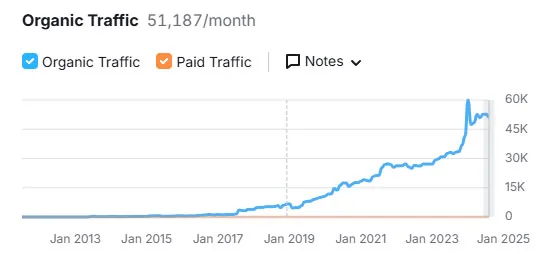
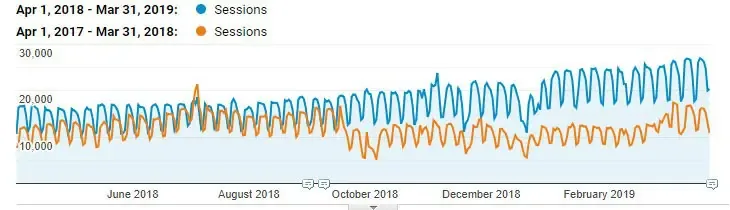
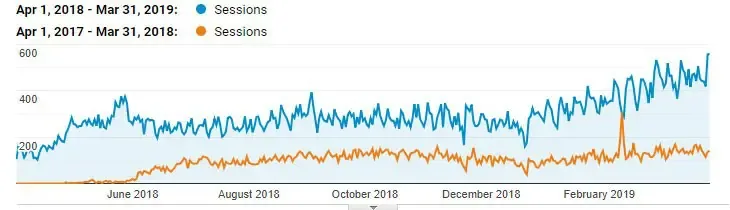
Organic search growth from three client content programs.
Content Creation Questions
What is included in your content creation services?
Research and planning, an editorial calendar, written copy, supporting visuals, on-page optimization, publishing, and distribution, with performance reporting so you can see what each piece achieves.
Who writes the content?
Our in-house SEO copywriters write it, working from keyword research and interviews or notes from your subject matter experts. Every piece is edited and reviewed for SEO before it is published.
How long should a web page or blog post be?
As long as it takes to answer the search fully, and no longer. There is no ideal word count. We look at the intent behind the search and at what currently ranks to decide how much depth a page needs.
Will the content be original?
Yes. Content is written for your business, checked for originality, and uses images that are original or properly licensed. You own the finished content.
Ready to Grow Your Business?
Talk with a Thousand Oaks digital marketing expert about AI search, SEO, PPC and website compliance.